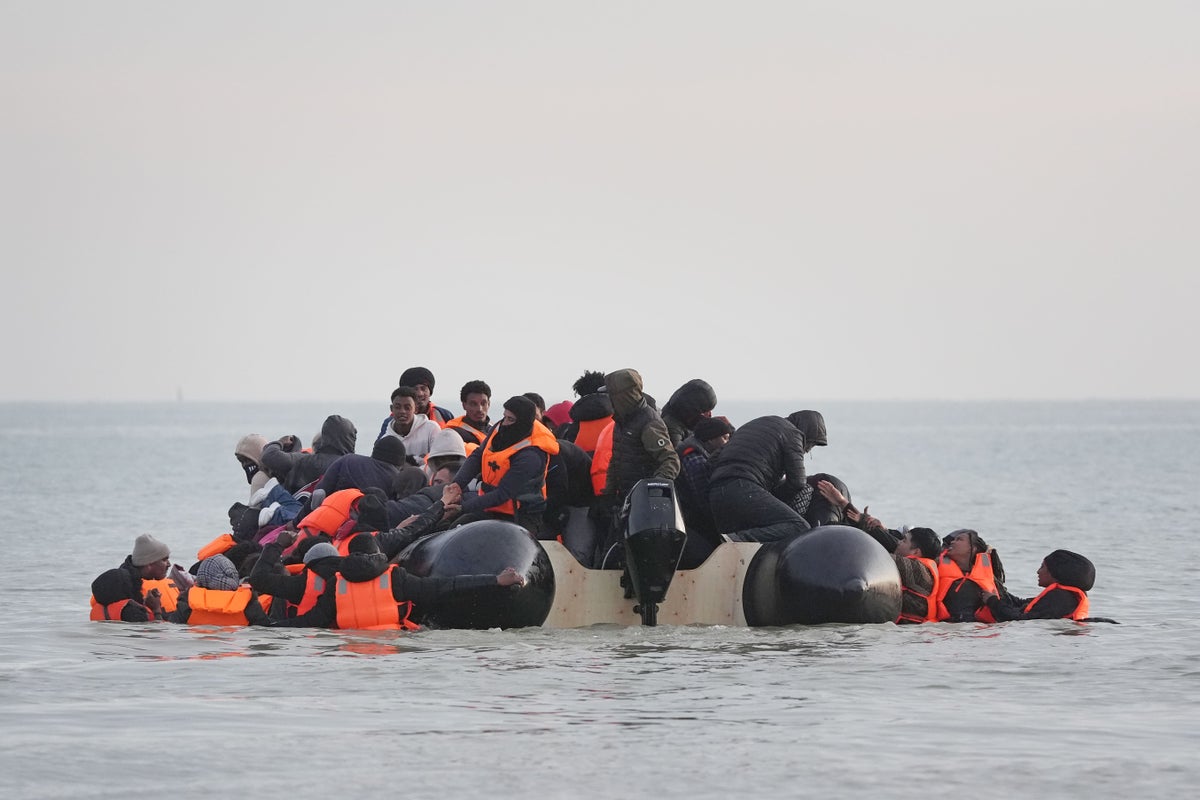
Facial recognition trial at Holyhead port in Wales scans 7,512 faces, resulting in one arrest of an immigration offender

Live Facial Recognition Used to Catch Illegal Migrants in the UK
Live facial recognition is being used to catch illegal migrants trying to enter the UK. Specialist cameras have been deployed at ports to stop people attempting to cross the border.
| Detail | Information |
|---|---|
| Cameras Deployed | 15 |
| Watchlist Size | Almost 5,000 offenders |
| Location | Holyhead, Anglesey, Wales |
| Faces Scanned | 7,512 |
| Arrests Made | 1 |
Immigration Enforcement, Border Force, and local police ran a trial at the end of last year. The trial aimed to identify people who were in breach of deportation orders. Data from the Home Office shows that 15 cameras were deployed at Holyhead, a key port for entrants from the Republic of Ireland.
Holyhead is the second busiest passenger ferry port in the UK, after Dover. It sees over 400,000 lorries and 400,000 cars each year. A watchlist of nearly 5,000 wanted immigration offenders was used, which triggered two alerts when checked against the faces of passersby. One person was arrested from the 7,512 faces scanned, with no incorrect alerts.
The trial’s objectives included ensuring the technology could identify and locate individuals on the watchlist. The overall aim was to maintain border integrity and protect the public from harm. The technology is expected to be rolled out to other key ports in the UK to help catch illegal migrants.
This was the first time LFR cameras were used by Immigration Enforcement staff. Previously, they were deployed at UK airports by Border Force, allowing contactless entry for travelers. Passengers arriving at Manchester Airport in October were processed using new technology that replaced passport checks with facial recognition.
The technology was integrated into existing e-gates, meaning people did not need to present their passports. Phil Douglas, Director General of Border Force, stated that the trial showed waiting times could be considerably reduced with this technology.
There are plans for the cameras to be used by all police forces in the country after successful trials. The Home Office noted that the scanners have helped catch rapists, domestic abusers, and violent offenders by matching faces from CCTV, doorbells, and live crowd footage.
In early December, officials launched a 10-week consultation asking the public about necessary safeguards. They stated that clear rules would allow police to deploy the scanners more widely without legal challenges. Policing minister Sarah Jones praised the technology as the biggest breakthrough for catching criminals since DNA matching. She added that its use would expand to help forces put more criminals behind bars and tackle crime in communities.
A new national face-matching system is also being tested to allow forces to search millions of custody images quickly. The Home Office said this is a major step in preventing offenders from evading justice.