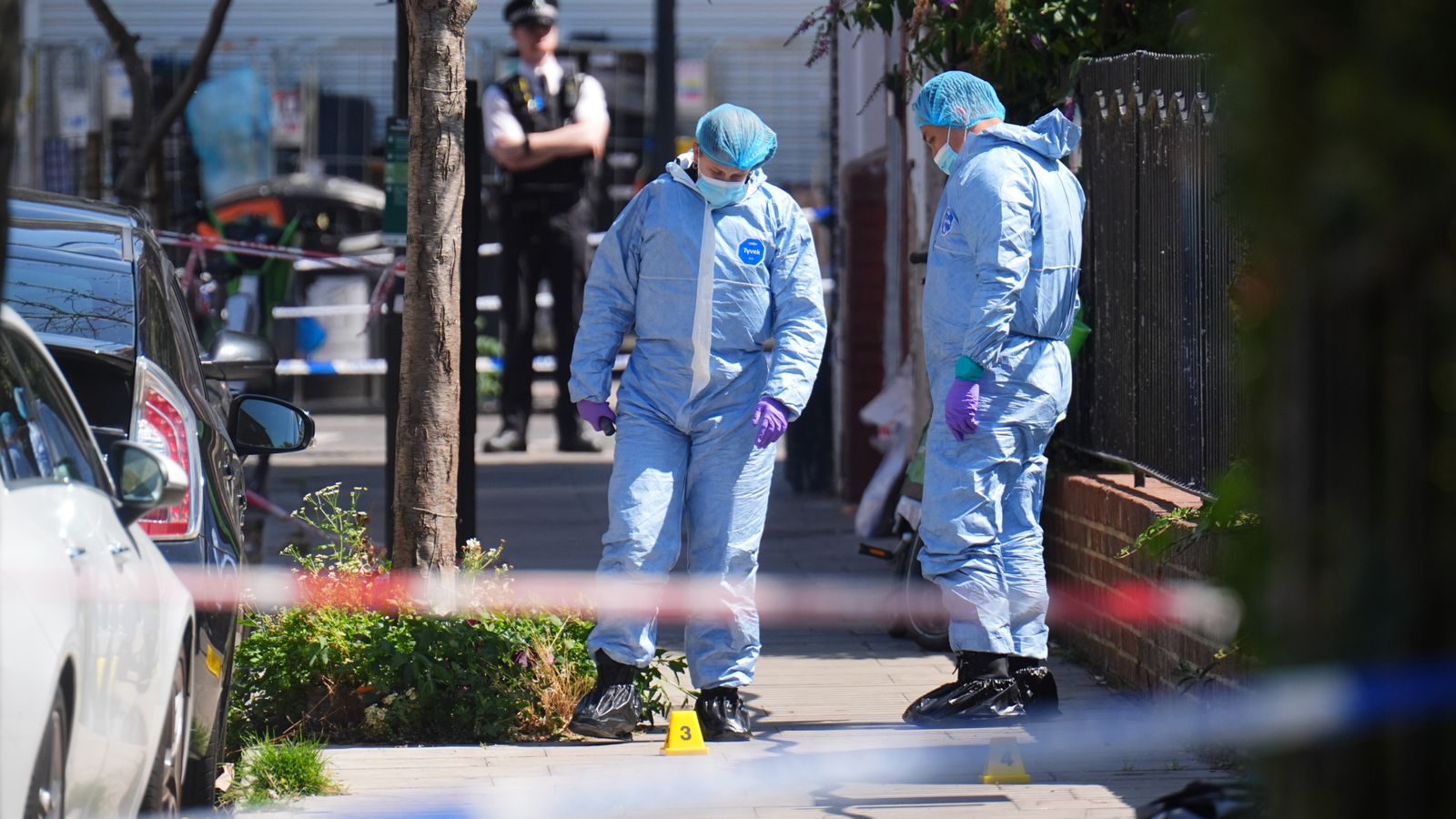
A review found 131 London Met Police officers, including serial rapists David Carrick and Cliff Mitchell, committed crimes due to vetting failures during recruitment

Metropolitan Police Review Reveals Vetting Failures
More than 130 officers and staff within the Metropolitan Police, including two convicted serial rapists, committed crimes or misconduct due to significant failures in the force’s vetting processes, a review has found.
Key Findings of the Review
| Detail | Figures |
|---|---|
| Officers and staff not properly vetted | 5,073 |
| No Special Branch vetting checks | 4,528 |
| No Ministry of Defence checks | 431 |
| Vetting refusals overturned | 114 |
| Limited checks for vetting renewal | 3,338 |
| Officers and staff without proper reference checks | 17,355 |
| Estimated officers who may have had vetting refused | 1,200 |
David Carrick, one of the UK’s most prolific sex offenders, received 37 life sentences and was improperly vetted in 2017. Checks failed to reveal a domestic abuse allegation against him. Cliff Mitchell, who carried out a “campaign of rape” on two victims over nine years, joined the force in 2020 despite a previous accusation of raping a child.
The findings highlight systemic vetting failures within Britain’s largest police force. The 131 cases were revealed as part of a vetting review that looked at the 10 years up to the end of March 2023. Other serious crimes committed by the officers and staff include drug use, racism, violence, and affray.
The review published on Thursday found that thousands of police officers and staff were not properly checked amid pressure during a national recruitment drive from July 2019 to March 2023. Senior officers at the Met chose not to meet national guidelines while trying to find 4,557 recruits in a three-and-a-half year period.
Impact of Recruitment Pressures
The deviations from standard practice meant thousands of references were not checked. Shortcuts in vetting led to the recruitment and retention of some officers and staff who should not have been in the force. This contributed to police-perpetrated harm and damaged public trust.
Under the PUP, forces in England and Wales were expected to recruit 20,000 officers within three and a half years to replace those cut during austerity. Funding was ringfenced and lost if targets were not met. The report found that decisions taken in isolation compounded risks.
In total, 5,073 officers and staff were not properly vetted. Of these, 4,528 had no Special Branch vetting checks, 431 had no Ministry of Defence checks, and 114 had a vetting refusal overturned by a Met internal panel. Another 3,338 due for vetting renewal had only limited checks.
The Met estimates that around 1,200 people who joined the force may have had their vetting refused under normal practices, out of around 27,300 applications. Separately, 17,355 officers and staff did not have their references properly checked between 2018 and April 2022.
Deviations in Vetting Practices
Some deviations in vetting practices led to individuals being kept on who contributed to police-perpetrated harm. These deviations included:
- Automatically transferring officers from other forces without renewing their current vetting.
- Not checking former service personnel against MoD records between May 2020 and September 2021.
- No research against Special Branch or counter-terrorism indices between May 2020 and October 2020.
- Acceptance of past clearance for former employees who had left the Met for up to a year.
- Reduced checks for officer and staff renewals.
- Some new officer recruits joined the force before receiving national security clearance.
- Internal processes were sped up, removing many personnel security checks.
The report also found that a since-abolished vetting panel overturned decisions to refuse vetting of 114 officers and staff. Of these, 25 went on to commit misconduct or have been accused of a crime. The review stated that senior officers faced political pressure to meet recruitment targets or lose funding.
Actions Taken by the Metropolitan Police
Since current Met Commissioner Sir Mark Rowley took over in September 2022, 1,500 officers have been sacked in an effort to clean up the force. The report concluded that deviations from policy and practice increased risk.
Assistant Commissioner Rachel Williams stated, “In publishing this report today, we are being open and transparent about past vetting and recruitment practices.” She emphasized the need for high standards across the Met to restore public trust.
Paula Dodds, chairwoman of the Metropolitan Police Federation, commented that the report illustrates a situation where hitting recruitment targets took precedence over normal checks.